


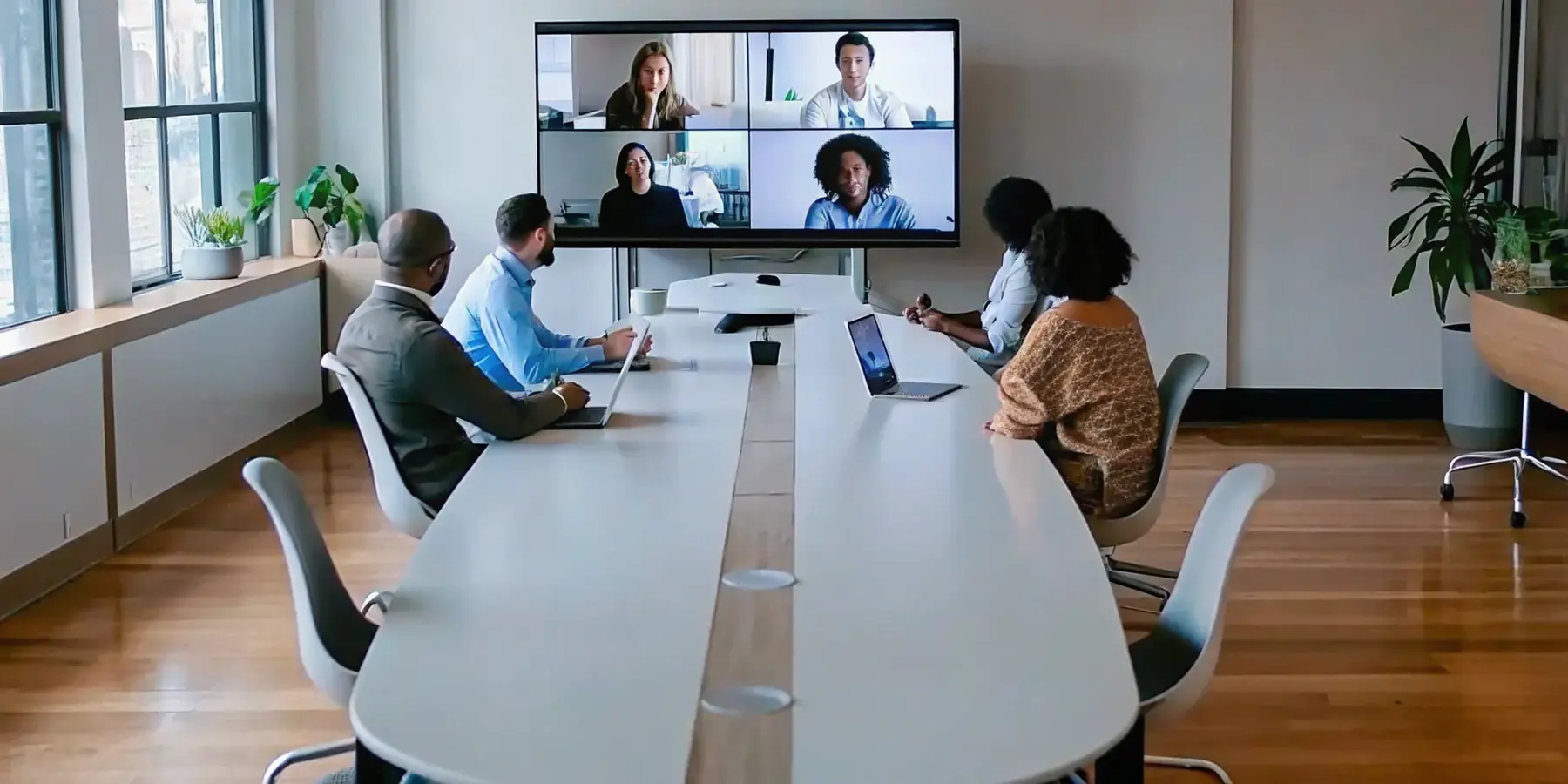
The Best Room Management Software for Hybrid Teams
Tired of the constant back-and-forth of scheduling meetings, only to discover the room you need is already booked? Or worse, arriving for a meeting to find the room empty, a victim of a "ghost" booking? Conference room management software is designed to eliminate these headaches. It streamlines the entire booking process, provides real-time availability updates, and integrates with your existing tools to create a seamless experience for everyone. In this guide, we'll explore the benefits of conference room management software, key features to look for, and top options available to help you transform your meeting room chaos into organized productivity.
Key Takeaways
- Streamlined meeting room booking improves workplace efficiency: Focus on software that simplifies reservations, provides real-time availability updates, and integrates with your team's existing tools.
- The right software needs to fit your organization's unique needs: Consider factors like team size, office layout, and integration requirements when evaluating different platforms.
- Successful software adoption depends on user experience and training: Prioritize user-friendly interfaces and provide comprehensive onboarding to ensure your team effectively utilizes the new system.
What is Conference Room Management Software?
Conference room management software, sometimes called a meeting room booking system, streamlines how you reserve and manage meeting spaces. Think of it as a central hub for all things meeting-related. This type of software typically includes a calendar interface for scheduling, tools for managing room amenities and equipment, and integrations with other workplace platforms. It takes the guesswork out of booking a room and helps avoid conflicts.
Key Features and Benefits
Robust conference room management software offers features like automated scheduling, real-time availability updates, and mobile accessibility. You can also often find space utilization analytics and seamless integrations with tools like Slack and Microsoft Teams. These features help organizations efficiently manage everything from seating arrangements and desk bookings to meeting room reservations. Officely offers integrations with Slack and Teams, so you can manage bookings directly within the platforms your team already uses. For more information on how meeting room software improves workplace efficiency, check out this helpful resource.
Streamlining Workplace Operations
Effective conference room management transforms office efficiency. It eliminates the chaos of double-booked rooms, automates repetitive administrative tasks, and provides instant updates on room availability. Features like automated check-ins significantly reduce ghost meetings, freeing up valuable time and space. For example, some companies have seen a monthly reclamation of up to 27 room hours through automated check-ins, which directly enhances overall productivity. Learn more about how to improve your meeting room utilization rates. This kind of efficiency boost is a game-changer for any organization looking to optimize its workspace.
Top Conference Room Management Software Options
Finding the right conference room booking system can make a real difference for hybrid teams. Here’s a look at some leading options:
Officely
Officely excels at space management, simplifying desk and meeting room bookings for flexible workspaces. Its direct integration with Slack and Microsoft Teams makes hybrid work scheduling easy. Learn more about how Officely helps manage meeting rooms and other office spaces.
Robin
Robin provides a user-friendly platform for booking desks, meeting rooms, and other office resources like parking spots or equipment. Its intuitive design streamlines office management tasks. Visit Robin's website for details.
Teem (now Eptura)
Teem, now under Eptura, offers a comprehensive approach to managing meeting rooms and office spaces. Its focus on user-friendly interfaces and integration with existing tools simplifies booking. Explore Eptura's features to see how it can work for your team.
OfficeSpace
OfficeSpace delivers advanced space management features, including desk and meeting room scheduling, plus real-time analytics. This makes it a solid choice for organizations looking to optimize their office layout and understand space usage. See how OfficeSpace can help you manage your workplace.
Condeco
Condeco is known for its robust features, including meeting room and desk booking, and visitor management, all designed to improve workplace efficiency. Learn more about Condeco's solutions.
Envoy
Envoy Rooms streamlines conference room booking and optimizes space usage. It offers a user-friendly system for finding, booking, and managing meeting rooms, helping teams maximize their office space. Explore Envoy Rooms for details.
Skedda
Skedda offers a smart booking and reservation system purpose-built for scheduling and managing meeting rooms, conference rooms, and collaborative spaces. See how Skedda can simplify your booking process.
Microsoft Bookings
Microsoft Bookings is a scheduling tool integrated with Microsoft 365, allowing users to manage appointments and meeting room bookings seamlessly within their existing workflow. Learn more about Microsoft Bookings.
Google Calendar
Google Calendar provides a simple and accessible way to schedule meetings and book conference rooms. Its integration with other Google Workspace tools creates a seamless experience for users already working within the Google ecosystem. Explore Google Calendar for its meeting scheduling features.
Zoom Rooms
Zoom Rooms extends beyond video conferencing to provide a complete solution for meeting room management. Users can schedule, manage, and launch meetings effectively, all within a familiar platform. Discover how Zoom Rooms can improve your meeting experience.
Essential Features to Look For
Choosing the right conference room management software can feel overwhelming with so many options available. Focus your search by prioritizing these essential features:
Track Real-Time Availability
Clear visibility into real-time room availability is crucial. Your team shouldn’t waste time checking multiple calendars or physically scouting locations. Look for software like Skedda that provides a clear, up-to-the-minute view of which rooms are free and when. This real-time insight streamlines booking and prevents double-bookings. A quick glance should reveal available spaces, helping your team secure the right room at the right time.
Use User-Friendly Booking Systems
Complicated software creates frustration and low adoption rates. Prioritize user-friendly booking systems. Officely is known for its intuitive design, making it easy for anyone to reserve a space in seconds. A simple, clean interface encourages consistent use and reduces the learning curve for new employees.
Analyze Reports
Data-driven insights are essential for optimizing your workspace. Robust reporting features, like those offered by Skedda, help you understand how your meeting rooms are being used. Track metrics like peak booking times, most popular rooms, and average meeting duration. This data informs decisions about space allocation, resource planning, and future office design.
Integrate Capabilities
Seamless integration with your existing tools is key for a smooth workflow. Choose software that connects with the platforms your team already uses. Officely integrates directly with Slack and Microsoft Teams, allowing employees to book rooms without leaving their primary communication channels. This integration simplifies the booking process and keeps everything centralized.
Optimize Space
Efficient space utilization is a top priority for many organizations. Features that help you optimize space are invaluable. Envoy Rooms offers tools to track room usage data to identify underutilized spaces. Leverage this information to make informed decisions about consolidating resources or expanding your office footprint. Smart space management leads to cost savings and a more productive work environment.
Resolve Conflicts
Scheduling conflicts are inevitable, but good software can minimize disruptions. Look for features that help resolve conflicts quickly and efficiently. Envoy offers automated check-ins and quick-release options for unused rooms, preventing wasted space and ensuring that rooms are available to those who need them. Real-time notifications and automated reminders also help keep everyone on the same page and reduce the likelihood of conflicts.
Pricing and Subscription Plans
Understanding pricing structures is key when choosing the best conference room management software for your hybrid team. Let's break down some common pricing models.
Tiered Pricing
Many software providers offer tiered pricing plans, scaling features and user capacity based on your organization's size and needs. A basic tier might include core features like room booking and availability tracking, while higher tiers unlock advanced analytics, integrations, and custom branding. This model allows you to start with a cost-effective solution and upgrade as your team grows. For example, some software providers structure their pricing based on the size of the company using the software.
Per-User vs. Flat-Rate Options
Some platforms charge on a per-user basis, meaning your monthly cost increases with each new user added to the system. Others offer flat-rate subscriptions, allowing unlimited users for a fixed price. Consider your team size and projected growth when deciding which option is more cost-effective. If you anticipate significant team expansion, a flat-rate subscription might be the better long-term investment. Seamless integrations with communication platforms can simplify user management across your organization.
Freemium Models
A freemium model offers a free basic version of the software with limited features and user capacity. This can be a great way to test the platform and see if it's a good fit before committing to a paid subscription. However, be sure to carefully evaluate the limitations of the free version and whether the paid features are essential for your team's needs. Software review sites often compare various meeting room booking software options, including freemium models.
Custom Enterprise Solutions
For larger organizations with complex requirements, some providers offer custom enterprise solutions. These tailored plans provide bespoke features, dedicated support, and flexible pricing based on your specific needs. If you require advanced integrations, custom reporting, or unique functionalities, exploring a custom enterprise solution might be the best approach. Some platforms offer flexible solutions to manage various office space needs, from desk bookings to meeting room reservations.
Choose the Right Software for Your Organization
Finding the perfect conference room management software involves careful consideration of your organization's specific needs and priorities. Let's break down the key factors to evaluate when making your decision.
Assess Your Needs
Before exploring software options, take time to understand your organization's current challenges and goals. Are you primarily focused on managing hot desks in a flexible workspace? Do you need a robust system for booking meeting rooms, complete with equipment reservations? Or perhaps you're looking for a comprehensive solution that encompasses desk booking, meeting room management, and even parking, like what Officely offers. Clearly defining your needs will guide you toward the most suitable software.
Evaluate Scalability and Growth Potential
Choosing software that can adapt as your company grows is crucial. A system that works well for your current size might become cumbersome as you expand. Consider factors like anticipated increases in employees, the addition of new office locations, or evolving meeting formats. As suggested by experts at WolfVision, look for products with standardized user interfaces across different room sizes and functionalities. This ensures a consistent experience as your needs change.
Consider Integrations with Existing Tools
Seamless integration with your existing tech stack is essential for user adoption and streamlined workflows. If your team relies heavily on Slack or Microsoft Teams, a platform like Officely that integrates directly with these tools can simplify booking and eliminate the need for another separate application. Check for compatibility with your calendar systems, video conferencing platforms, and other essential tools. Explore Officely's available integrations.
Review User Interface and Experience
A user-friendly interface is paramount for successful software adoption. The system should be intuitive and easy to use for all team members, regardless of their technical skills. Consider both the in-room experience for those using the conference room technology and the remote experience for participants joining virtually. A clunky or complicated interface can lead to frustration and ultimately hinder the software's effectiveness.
Analyze Pricing and ROI
Pricing structures for conference room management software vary widely. Some platforms offer free plans with limited features, while others have tiered pricing based on the number of users or rooms. Many providers also offer freemium models or custom enterprise solutions. Carefully evaluate the features offered at each price point and consider the potential return on investment. Don't hesitate to use free trials or demos to test the software and ensure it aligns with your budget and requirements. Software Advice offers helpful reviews and pricing comparisons for various meeting room booking software.
Implement Your New Software Successfully
Rolling out new software can feel like a big undertaking. But with the right approach, implementation can be smooth and set your team up for success. Here’s how to make the most of your new conference room management software:
Train Staff and Onboard Effectively
Start by providing comprehensive training to your staff. Cover all the essential functions, from booking a room to checking availability and managing recurring meetings. Hands-on training sessions and clear documentation are key. Remember, platforms like Officely integrate directly with tools like Slack and Microsoft Teams, making the transition even easier for employees already familiar with these platforms. This integration streamlines the learning curve and encourages quicker adoption. Check out Officely’s integrations to see how this can work for your team. Officely's desk booking software offers a practical example of how this integration simplifies workspace management.
Run Effective Pilot Programs
Before a full-scale launch, consider a pilot program with a small group of users. This allows you to test the software in a real-world setting, identify any potential hiccups, and gather valuable feedback before rolling it out company-wide. A pilot program also lets you showcase the software’s benefits early on. For example, you can track how automated check-ins reduce ghost meetings and free up valuable room time, as highlighted in Officely’s blog post on improving meeting room utilization. Demonstrating these wins early on builds excitement and buy-in for the broader launch. Learn more about how meeting room booking software boosts workplace efficiency. Explore Officely's meeting room booking software for a deeper understanding of its capabilities.
Gather and Act on User Feedback
Once the software is in use, actively solicit feedback from your team. Regular check-ins, surveys, and feedback forms can provide valuable insights into what’s working well and what needs improvement. Don’t just collect feedback—act on it. Addressing user concerns and incorporating suggestions demonstrates that you value their input and are committed to making the software work for them. This ongoing feedback loop is crucial for long-term success and user satisfaction. Officely’s flexible office management software is a prime example of a platform designed to adapt to evolving workplace needs. You can also explore more about Officely on Software Advice.
Overcome Common Adoption Challenges
Even the best conference room management software can flop without team buy-in. Smooth out the transition and set your team up for success by addressing these common adoption challenges head-on:
Encourage Consistent User Engagement
If your team isn’t using the new software, you’re not getting value from your investment. Make it easy for them to use the platform by highlighting its benefits. How does it simplify their workday? Does it reduce the endless back-and-forth of scheduling? Officely's meeting room booking software automates those tedious tasks and provides instant updates on room availability, freeing up everyone's time. Promote these wins and demonstrate how the software makes the entire team more productive.
Address Technical Integration Issues
One of the biggest hurdles to adoption is a clunky integration process. Choose a platform that seamlessly integrates with your existing tools. Officely integrates with Slack and Teams, so booking a desk or meeting room is as simple as sending a message. This ease of use encourages adoption and minimizes the learning curve. Provide clear documentation and support during the initial rollout to address any technical hiccups.
Manage Data Effectively
Data is key to optimizing your workspace. Ensure your chosen software provides robust reporting and analytics on key metrics like room usage, peak booking times, and popular amenities. Officely offers space utilization analytics to help you understand how your office space is being used. Use this data to make informed decisions about your workspace design and ensure you’re getting the most from your resources. Clear communication about how this data is used, and its benefits, can also encourage user engagement.
Maximize ROI
Conference room management software can be a significant investment. To ensure you're getting the most from your budget, focus on maximizing your return on investment (ROI). Here’s how:
Track Key Usage Metrics
Understanding how your team uses meeting spaces is the first step to optimization. Which rooms are consistently booked? Which ones sit empty? Officely offers robust reporting that provides insights into peak booking times, popular rooms, and overall utilization rates. This data helps you identify trends and make informed decisions about your workspace. Similarly, platforms like Skedda provide detailed reports on room usage, empowering organizations to optimize space and make data-driven decisions.
Optimize Room Configurations
Once you have usage data, you can start fine-tuning your room configurations. If one room is always booked, consider replicating its setup in other spaces. Perhaps it's the comfortable seating, the natural light, or the available technology that makes it so popular. CoWello suggests investigating why some rooms are more popular and fixing issues in underutilized rooms to distribute bookings more evenly. Small changes can make a big difference in overall employee satisfaction and meeting effectiveness.
Use Data to Inform Workplace Design
In the long run, data from your conference room management software can inform larger workplace design decisions. If your data consistently shows high demand for small meeting rooms, you might consider adding more huddle spaces in your next office redesign. Or, if larger rooms are underutilized, you could repurpose that space. Envoy provides analytics on room usage, allowing businesses to understand workplace trends and make data-backed decisions regarding space management, design, and costs. This data-driven approach ensures your office space truly serves the needs of your hybrid team, ultimately maximizing your investment in the software and your physical workspace.
Future Trends in Conference Room Management
Conference room management is constantly evolving. Staying ahead of the curve means understanding emerging trends and how they can benefit your workplace. Here’s a glimpse into the future:
AI-Powered Scheduling
Imagine a world where scheduling conflicts are a thing of the past. AI is poised to revolutionize conference room bookings by predicting your team’s needs and automating the process. Think intelligent suggestions for meeting times, automatic adjustments based on real-time availability, and even personalized room recommendations based on the meeting's purpose. This shift towards AI-driven scheduling will free up valuable time and minimize the frustration of coordinating schedules, allowing your team to focus on productive meetings. This aligns with the broader trend of AI integration in various workplace tools, as highlighted in resources like People Managing People's overview of meeting room booking software.
IoT Integration
The Internet of Things (IoT) is transforming how we interact with our physical spaces, and conference rooms are no exception. IoT-enabled conference rooms will offer seamless control over lighting, temperature, and audio-visual equipment, all managed through a centralized system. Need to adjust the room's lighting for a presentation? Simply use your smartphone. Expect to see more integration with other workplace systems, creating a truly connected and efficient office environment. This integration capability is a key component of modern meeting room booking software, as discussed in People Managing People's guide.
Support Evolving Hybrid Work Models
With hybrid work models becoming increasingly prevalent, conference room management software must adapt to support the needs of both in-office and remote teams. This means providing features that facilitate seamless collaboration, regardless of location. Think integrated video conferencing, real-time availability updates, and tools that allow remote participants to easily join meetings. Platforms like Officely are already leading the way, offering seamless integration with tools like Slack and Microsoft Teams to streamline communication and optimize productivity in hybrid work environments. You can learn more about Officely's solutions for hybrid teams on their website and explore how they're tackling the challenges of meeting room availability in hybrid offices in their blog. Software review sites like SoftwareWorld also offer insights into how Officely supports flexible workspaces.
Related Articles
- Meeting Room Booking Software | Integrate with Slack & Teams
- How Meeting Room Software Boosts Workplace Efficiency
- Best Meeting Room Booking Systems for Small Businesses
- The best office management software tools for your workplace | Officely
- The Ultimate Guide to Workspace Optimization Tools in 2024
Frequently Asked Questions
Why do I need conference room management software? Conference room management software streamlines booking, eliminates double-bookings, and provides valuable data on how your meeting spaces are used. It simplifies administration, reduces wasted time, and ultimately contributes to a more efficient workplace. It's particularly helpful for hybrid teams, ensuring everyone has access to the resources they need, whether they're in the office or working remotely.
What key features should I look for? Focus on features that simplify booking, like real-time availability views and user-friendly interfaces. Robust reporting and analytics are essential for understanding space utilization and optimizing your workspace. Seamless integration with your existing tools, such as calendar platforms and communication apps, is also crucial for a smooth workflow.
How much does conference room management software cost? Pricing varies widely. Some platforms offer free versions with limited features, while others use tiered pricing based on users or rooms. Flat-rate subscriptions and custom enterprise solutions are also common. Consider your team's size, needs, and budget when evaluating pricing options.
How do I successfully implement new software? Thorough staff training and a phased rollout are key. Start with a pilot program to test the software and gather feedback before a company-wide launch. Clear communication about the software's benefits and ongoing support will encourage adoption and ensure a smooth transition.
What are the future trends in conference room management? AI-powered scheduling, IoT integration, and enhanced support for hybrid work models are shaping the future of conference room management. These advancements promise to automate tasks, personalize the meeting experience, and create more connected and efficient workspaces.


